Safety in Data Center Operations: Why It Matters More Than Ever

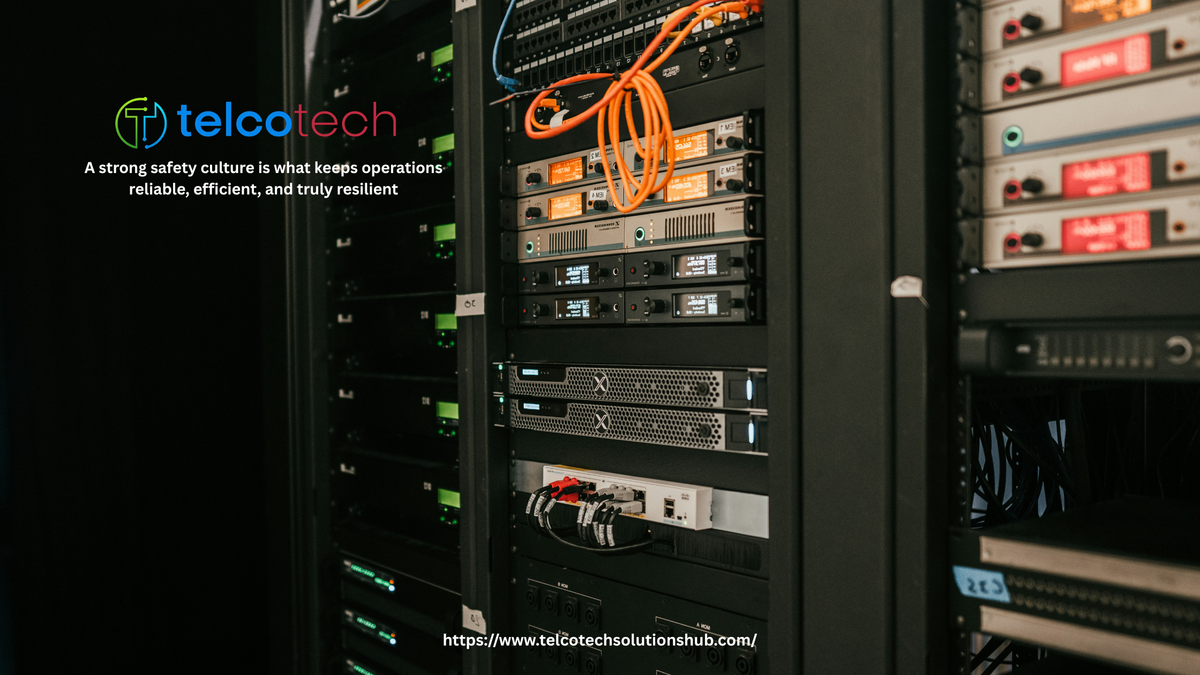
“Safety in data center operations isn’t just about protecting systems it’s about protecting the people behind them. When teams are aware, trained, and proactive, risks are reduced long before they become incidents. A strong safety culture is what keeps operations reliable, efficient, and truly resilient.”
When people think about data centers, they often picture rows of blinking servers and endless cables. What doesn’t immediately come to mind is safety. Yet behind every smoothly running data center is a strong culture of safety one that protects not just equipment, but the people who keep everything running. As data centers grow and complexity, safety is no longer just a compliance requirement. It’s a critical part of reliable operations.
- The Human Side of Data Centers
At its core, a data center is still a workplace. Engineers, technicians, and support staff are constantly moving through server rooms, handling equipment, managing cables, and monitoring systems. Without proper safety practices, even routine tasks can turn risky. Heavy hardware, high-voltage systems, and tightly packed environments create a setting where small mistakes can lead to serious consequences.
That’s why safety starts with people training them well, keeping them informed, and making sure they feel responsible not only for their own safety but for everyone around them.
- Electrical Safety: The Silent Risk
One of the biggest risks in any data center is electricity. With power systems running around the clock, even minor faults can escalate quickly. Proper grounding, regular inspections, and strict lockout/tagout procedures are essential. But beyond procedures, awareness is key. Teams need to understand what they’re working with—not just follow checklists. A culture where someone feels comfortable saying, “Something doesn’t look right,” can prevent major incidents.
- Fire Prevention and Response
Data centers house expensive and sensitive equipment, but they also concentrate heat and electrical load—two ingredients that can lead to fire if not managed carefully. Modern facilities use advanced fire detection and suppression systems, often designed to control fire without damaging equipment. Still, technology alone isn’t enough.
Regular drills, clear evacuation plans, and well-trained staff make the difference when seconds count. Everyone should know what to do, not just where the exits are.
- Managing Physical Risks
It’s easy to overlook everyday hazards. Loose cables, raised floors, or poorly placed equipment can cause trips and falls. Good housekeeping might sound basic, but it plays a huge role in safety. Keeping pathways clear, labeling properly, and organizing equipment reduces risk and improves efficiency at the same time.
In a fast-paced environment, these small habits often prevent bigger problems.
- Environmental and Cooling Safety
Data centers depend on precise temperature and humidity control. Cooling systems are essential, but they also introduce risks like leaks, condensation, or airflow issues. Routine checks and proactive maintenance help avoid situations where equipment overheats or water damage occurs. It’s about staying ahead of issues, not reacting to them.
- Security and Safety Go Hand in Hand
Physical security is often discussed in terms of data protection, but it also supports safety. Controlled access ensures that only trained personnel enter critical areas. When fewer untrained individuals are present, the chances of accidental damage or unsafe behaviour drop significantly.
- Building a Safety-First Culture
Safety isn’t something you add on top of operations it’s something that needs to be built into everyday work.
That means:
- Encouraging open communication
- Reporting near-misses, not just accidents
- Continuous training and refreshers
- Leadership setting the example
When safety becomes part of the culture, it stops feeling like a rulebook and starts becoming second nature.
So, data centers are the backbone of today’s digital world. But behind all the technology are people who make it work.
Keeping them safe isn’t just the right thing to do it’s what ensures reliability, continuity, and long-term success. Because when safety is taken seriously, everything else runs better too.
https://www.telcotechsolutionshub.com/ | https://www.jatc-group.com/